About Us
A history more than a century in the making.
About
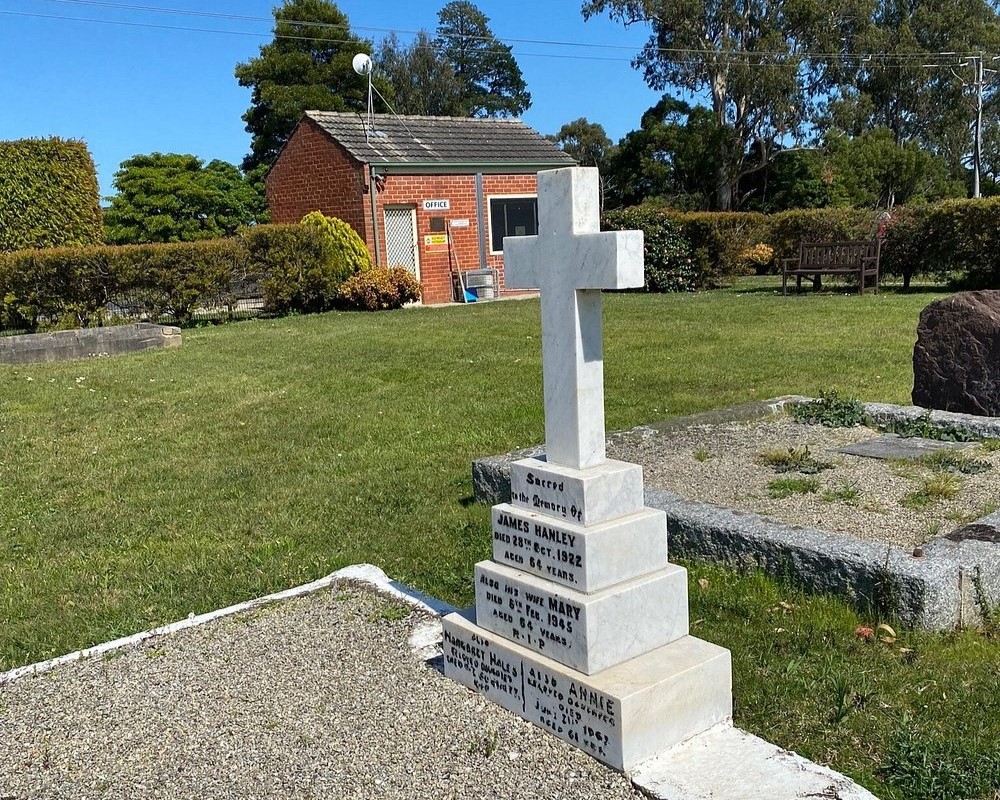
Drouin Cemetery, located in the heart of Drouin, Victoria, has served as a final resting place for generations of families since its establishment in the late 19th century. The cemetery was founded with the mission of providing a peaceful and respectful space for the local community, preserving its rich history and offering a place for reflection and remembrance. Over the years, Drouin Cemetery has grown alongside the town, witnessing the changing landscape and evolving community, while continuing to offer a tranquil sanctuary for those who call Drouin home.
As part of the Drouin Cemetery Trust, the cemetery is managed and maintained with a deep commitment to honoring those interred here, as well as serving future generations. The Trust ensures that the cemetery remains a serene and well-maintained space for families to visit and honor their loved ones.
Today, Drouin Cemetery Trust remains an integral part of the town’s history, providing a lasting legacy for both past and present residents.
Drouin Cemetery Friends Volunteers
Drouin Cemetery Friends volunteers meet each fortnight on Friday mornings from 9am to 11 am, followed with a cuppa and morning tea.
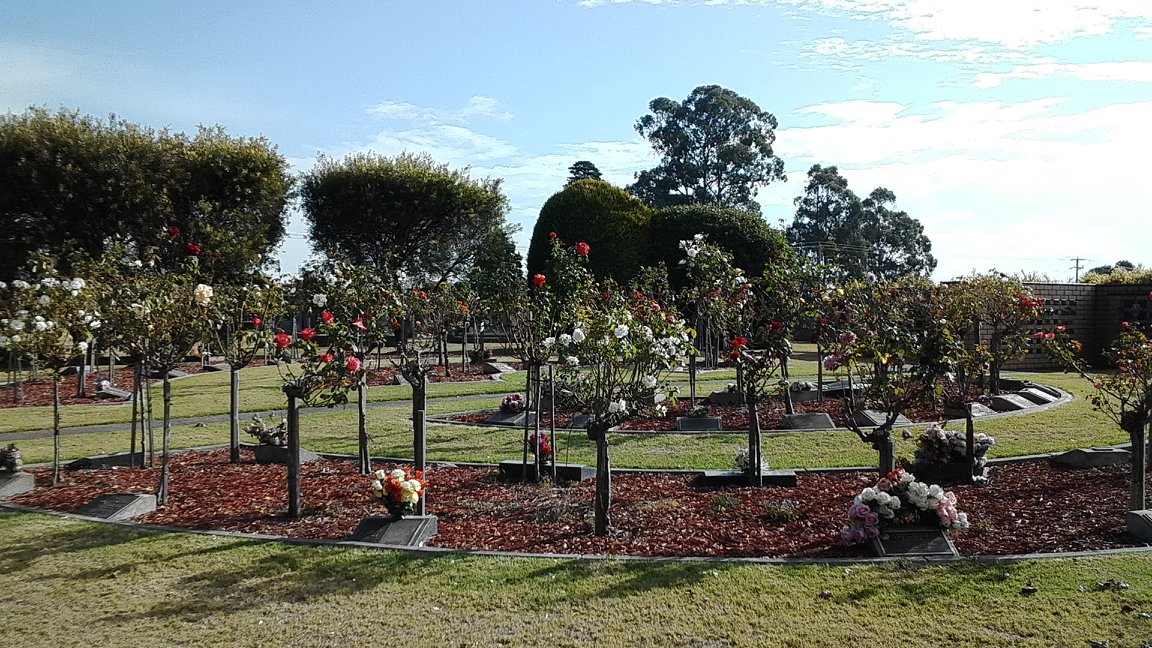
Tasks include general tidying of lawn areas, pruning and feeding of roses, raking debris and other odd jobs.
Bring along pruners and gloves – all other tools provided.
History
A story over 140 years in the making.
1879
Drouin Cemetery Founded
The Drouin Cemetery, occupying 10 acres along Longwarry Road on the western outskirts of the township, was officially gazetted in 1879. The oldest surviving headstone dates from 1882, although it is likely that burials occurred earlier, with markers that have not endured.
Many burials were recorded with only minimal information, and in many cases no grave or memorial location was noted. Numerous individuals have no marker or memorial to indicate their final resting place. Stillborn infants and newborn babies were often recorded only under a family surname, with no further details. In addition, second burials within an existing family grave were frequently not documented at all.
Early 1900s
Those Who Shaped Drouin
During the early 20th century, Drouin Cemetery became the final resting place for many individuals who were instrumental in the growth and development of the local community. Among them were early pioneers who helped establish the town of Drouin, along with farmers, business owners, and civic leaders who contributed to the agricultural, economic, and social life of the district.
The cemetery is also the burial site of several war veterans who served in the World Wars, as well as generations of local families whose names remain closely tied to the history of the town. Together, these graves form a quiet record of Drouin’s transformation from a small rural settlement into a thriving regional community.
1940s
Wartime Years
During the Second World War, many of Australia’s traditional labourers – including gravediggers – were called away to military service. Like countless communities across the country, Drouin faced shortages of skilled workers, even in roles as essential and sombre as preparing graves.
One of the most remarkable figures from this period was Mrs Josephine Smith (pictured around 1944 aged 84 years), who became well known at Drouin Cemetery for taking on the physically demanding role of grave digging. Mrs Smith was a fully qualified grave digger who devoted much of her spare time to planting trees at the Drouin Cemetery and tending to the graves.
She believed firmly that there was a right way and a wrong way to dig a grave, favouring sandy soil above all others, and she was known to head out at midnight when a rush job was needed. Paid thirty shillings for the eight hours of hard labour required for each grave, she first took up the work to support her third husband when ill health prevented him from continuing. Remarkably strong and working unaided, Mrs Smith attributed her stamina to a bottle of stout after each grave and a diet of plain, hearty food.
1951
Drouin Fires
Drouin has experienced several significant township fires, including a major blaze in January – February 1951 that destroyed a garage, showroom, and bank, leaving lasting impacts across the district.
The cemetery was also affected, with many early wooden headstones lost, leaving numerous graves unidentifiable. Across the district, fires claimed a substantial number of cemetery records, forcing genealogists to painstakingly reconstruct burial information using personal recollections, death notices, and newspaper obituaries.
2008
The Children's Garden
The Children’s Garden, created in 2008 as a place to honour and remember babies and infants who are no longer with us, provides a gentle and peaceful space for reflection and remembrance. Designed with sensitivity and care, the garden offers families a place to grieve, reflect, and commemorate lives that were brief but deeply meaningful.
In 2025, mosaics depicting the nursery rhymes The Cow Jumped Over the Moon and Humpty Dumpty – crafted by the Knoxbrooke Mosaic Group – were installed, adding colour, storytelling, and a sense of gentle whimsy to the garden. These artworks have helped shape the space into one of warmth, compassion, and quiet comfort.
2021
Opening of the RSL Garden
A dedicated RSL Garden with an ANZAC theme was officially opened in March 2021, creating a permanent place of tribute within the cemetery grounds. The garden features a Lone Pine, a solar-powered flagpole, commemorative plaques, wreaths, and park benches, forming a dignified setting for reflection and remembrance.
The garden stands as a tribute to the people of Drouin who served so selflessly in times of war. Thirty-seven service men and women are laid to rest in the Drouin Cemetery, and their contributions are honoured within this space, ensuring their service and sacrifice remain an enduring part of the community’s memory.